 01 — De-Addiction
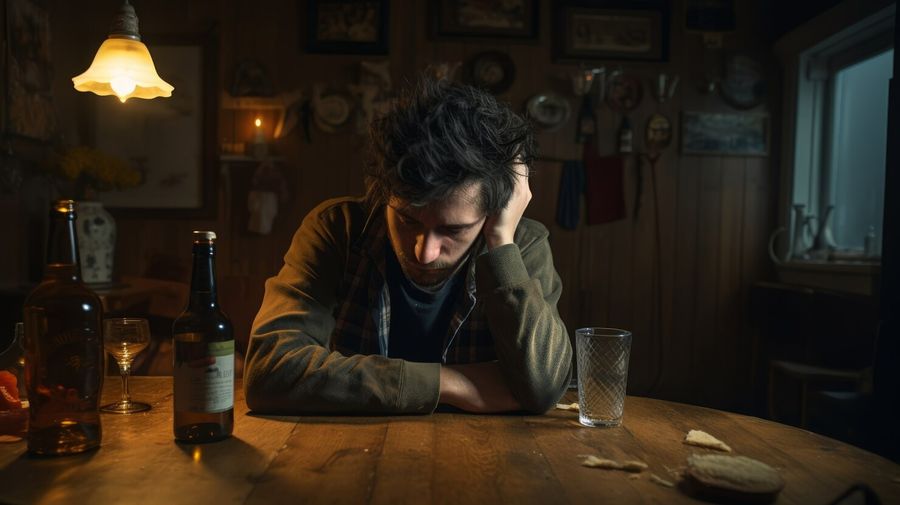
De-Addiction Centre
Medically supervised withdrawal and treatment for alcohol, drugs, tobacco, smoking and behavioural addictions — with separate programmes for men and women.
Read more
“Dunamis” is the Greek word for power — the strength a person already carries inside, waiting to be released. Our work is simply to help you find it again, and to stand beside you until it holds.
Clarity · Dignity · RecoveryYou are one step away.
If you or someone you love is struggling with alcohol, drugs, tobacco or a mental health condition, the hardest part is often simply knowing where to begin. Addiction and mental illness are treatable — and asking for help is not weakness, it is the first act of strength.
At Dunamis Deaddiction & Psychiatric Care in Vilangudi, Madurai, every person is assessed individually. Medical detoxification, psychiatric treatment, counselling, family therapy and structured aftercare are combined into one plan built around that person — never a template.
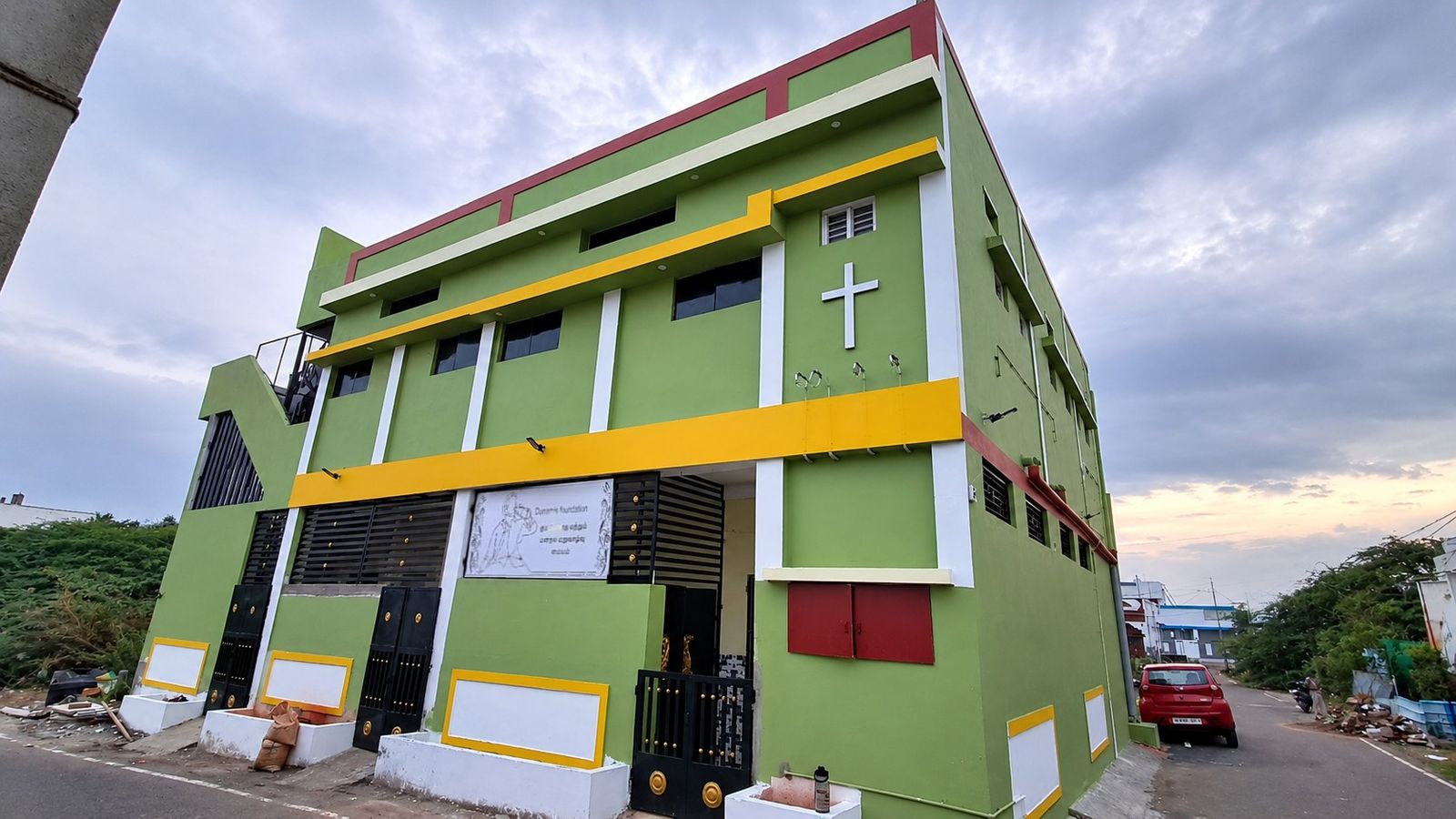
Admission, treatment and discharge are handled discreetly. No one is shamed, restrained without cause, or discussed outside the clinical team.
Psychiatric assessment on day one, then a plan matched to the substance, the duration of use, co-occurring illness and the family's circumstances.
Recovery holds when the home supports it. Families are taught what relapse looks like, how to respond, and how to rebuild trust without enabling.
Alongside medicine and therapy — yoga, physical routine, vocational activity and optional spiritual counselling, for those who want it.

individuals and families supported through de-addiction and psychiatric care
psychiatrists, counsellors, nurses and support staff on the team
of residents who complete the full programme stay sober at one year
admission, crisis response and medical supervision, every day of the year
Nine in the circlehover anyone to see where they are
Nobody recovers alone. Inside Dunamis, residents live a structured day together — waking, eating, group therapy, work, rest — and in that shared routine something quietly changes. A man who could not speak about his drinking in week one is counselling a new arrival by week eight.
It is the small things that matter: being heard without judgment, having somewhere to be each morning, being missed when you are not there. We hold the structure. The community does the rest.
See the ProgrammeA full range of care under one roof — from the first difficult phone call through detox, psychiatric treatment, rehabilitation and the years of aftercare that follow.
01 — De-Addiction
Medically supervised withdrawal and treatment for alcohol, drugs, tobacco, smoking and behavioural addictions — with separate programmes for men and women.
Read more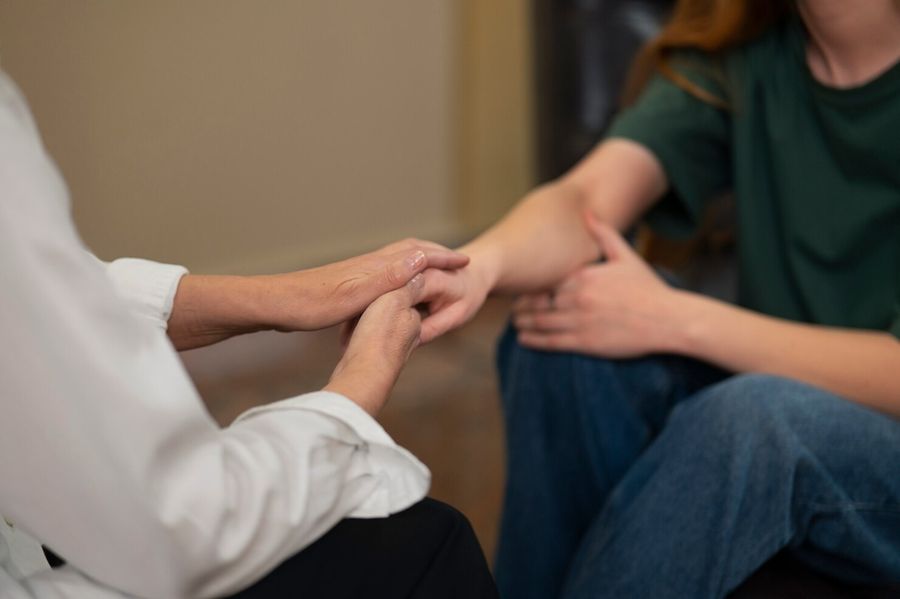 02 — Psychiatry
Compassionate mental health treatment for all ages — depression, anxiety, bipolar disorder, schizophrenia, ADHD, adolescent and geriatric psychiatry.
Read more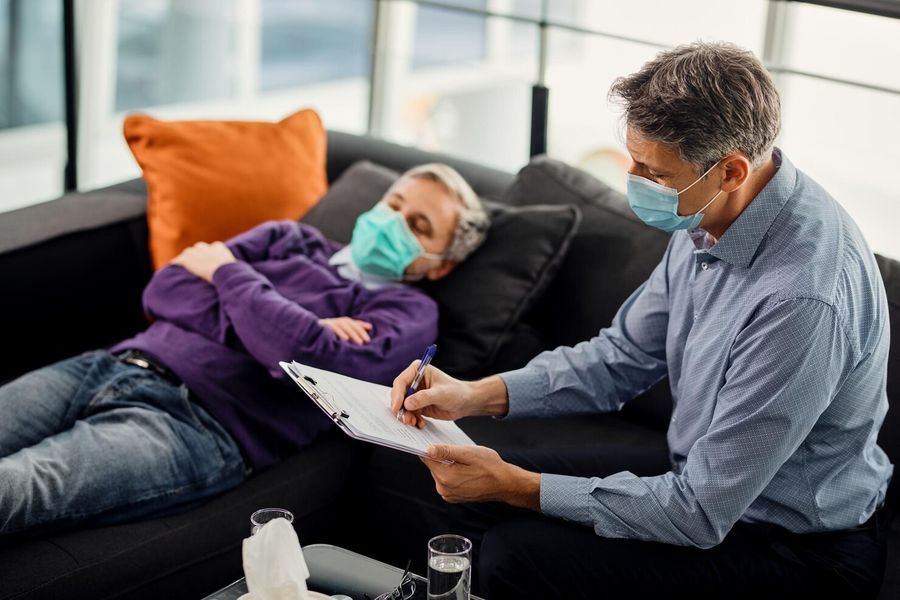 03 — Rehabilitation
Long-stay residential rehabilitation that rebuilds routine, relationships and employability — plus structured aftercare and relapse-prevention follow-up.
Read moreFour stages, each with a clear purpose. Length varies by person — these are the typical durations.
A psychiatrist and counsellor meet the person and the family, establish medical history, substance use and risk, and agree the plan together. Admission can happen the same day, including at night.
Day 1 · Walk-in or by phone, no referral needed
Withdrawal is managed under round-the-clock medical supervision, with medication to control seizures, tremor, agitation and sleep. Nutrition and physical health are restored at the same time.
7 – 14 days · 24-hour nursing, daily doctor rounds
Individual counselling, group therapy, cognitive behavioural therapy, yoga and structured daily activity. Co-occurring psychiatric illness is treated alongside the addiction, not after it.
1 – 6 months · Residential, family sessions weekly
Discharge is not the end. Follow-up reviews, medication monitoring, support-group meetings and a direct line for the family keep recovery steady through the first vulnerable year.
Ongoing · Monthly review, 24/7 helpline
Addiction is not a failure of character and mental illness is not a weakness of will. Both are treatable conditions — and treatment works best when it is offered with respect.
Shared with permission · names changed to protect privacy
My husband had been drinking for eleven years and we had given up. The doctors at Dunamis never once spoke down to him. He came home after four months a different man, and he has stayed sober for two years now.
I was brought here against my will. I hated everyone for the first two weeks. Today I run my own shop and I still attend the Sunday meeting. That building saved my life — I say it without exaggeration.
My son was diagnosed with bipolar disorder at nineteen. The psychiatrist here explained everything to us in Tamil, patiently, twice. For the first time we understood what was happening to him.
What struck me was the cleanliness and the calm. No shouting, no chains, no fear. My brother was treated like a patient and like a person. That is rarer than it should be.
The follow-up is what made the difference. They called us every month for a year. When he slipped once, they got him back in within a day instead of letting it become another decade.
Still unsure? Call us. There is no cost and no obligation to speak with a counsellor about your situation.
Contact UsAlcohol, drugs (including heroin, cannabis, prescription medication and synthetic drugs), tobacco, smoking and behavioural addictions such as compulsive internet or phone use. On the psychiatric side we treat depression, anxiety, bipolar disorder, schizophrenia and other psychotic illness, ADHD, adolescent behavioural problems and geriatric conditions including dementia.
Detoxification clears the substance from the body, but it does nothing about the habits, the triggers and the relationships that produced the dependence. Rehabilitation is the part that changes those. Without it, most people relapse within weeks of detox, because nothing in their life has altered. A structured residential programme rebuilds routine, treats any underlying psychiatric illness, teaches the person to recognise their own warning signs, and brings the family in so that home supports the recovery rather than undoing it.
Ask these questions of any centre, including this one. Is there a qualified psychiatrist on the team, and will the patient actually be seen by one? Is detox medically supervised, with nursing cover at night? Are men and women accommodated separately? Will you be told the full cost before admission, with nothing added later? Is the family counselled too, or only informed? And what happens after discharge — is there real follow-up, or does contact simply stop? Visit in person before deciding, and be wary of anywhere that will not let you look around.
Detoxification typically takes 7 to 14 days. Residential rehabilitation runs from one to six months depending on how long the addiction has lasted, whether there is co-occurring mental illness, and the support available at home. Aftercare continues for at least a year. We will give you a realistic estimate after the first assessment rather than a fixed package.
Yes, and we encourage it. After an initial settling-in period, families visit on scheduled days and attend counselling sessions of their own. Recovery that is not supported at home rarely survives the first year, so family work is treated as part of the treatment, not an extra.
Completely. Records are kept within the clinical team, we do not disclose admission to employers, neighbours or anyone else without written consent, and the centre's routine is designed so that residents are not exposed to visitors unnecessarily.
Identity proof for the patient and the accompanying family member, any existing prescriptions or medical records, and a modest set of clothing and toiletries. Mobile phones, cash, valuables and sharp objects are kept securely by staff during the inpatient period. We will send you the full list when you call.
Charges depend on the length of stay and the level of care required. We keep fees deliberately accessible and discuss the full cost openly before admission — there are no hidden charges added later. Call us and we will explain the options for your situation.
Relapse is common and it is not a reason for shame or for giving up. Call the helpline immediately. Most relapses can be managed with a short readmission or an adjustment to medication and counselling. The sooner we hear from you, the smaller the intervention needed.
Fill in this short form and a counsellor will call you back. Everything you tell us stays between you and the clinical team.
We usually call back within the hour. For an emergency, please phone us directly instead of waiting.